
Car Shipping from the USA to Germany
Ship a Car to Germany from the USA: From $1,100, 0% Duty on American Cars
Ship a Car to Germany starting from $1,100–$1,850 port-to-port, which takes 28–40 days from the East Coast. American-built cars now clear German customs at 0% import duty under the EU's Turnberry regulation, in force since July 1, 2026. On a $60,000 Corvette, that removes $6,000 in duty and roughly $1,140 in VAT calculated on top of it. Close to $7,000 stays in your pocket.
West Coast Shipping loads over 9,000 Germany-bound vehicles a year from the US, including dealers and auctions. The cars ship from our own warehouses in California, Florida, and New Jersey, loaded by our own employees, and sail to Bremerhaven.
Instant USA → Germany shipping rates
Shipping a car to Germany: the short version
- Cost: consolidated container from $1,100–$1,850 port-to-port, plus German destination fees from $600. Get your exact rate.
- Time: 28–40 days East Coast to Bremerhaven, 49–89 days from California, 3–10 days by air freight to Frankfurt.
- Duty: 0% on US-built cars since July 1, 2026 (Turnberry regulation, through 2029). Other origins pay 10%.
- VAT: 19% standard; 7% for collector cars 30+ years old under heading 9705.
- Who handles it: our own warehouses in California, Florida, and New Jersey ship over 9,000 Germany-bound vehicles a year.
0% import duty on US-built cars: what changed in July 2026
The EU's 10% duty on passenger cars is gone for vehicles originating in the United States. The European Parliament approved the Turnberry regulation 440 to 151 on June 16, 2026, the Council adopted it on June 25, and the 0% rate runs through December 31, 2029.
The catch: origin follows the assembly line, not the badge.
Qualifies at 0%
Bowling Green Corvette · Detroit-built Viper · Wixom Ford GT · Spartanburg BMW Z3 M Coupe · Marysville-built second-gen Acura NSX
Still pays 10%
Brampton-built Dodge Challenger · Australian-built Pontiac GTO · Canadian-built 1998–2002 Camaro. No matter how American they look in the driveway.

Not sure where your car was built?
Search by make, model, or year with our US-Built Car Finder, then confirm origin by the VIN. Takes about a minute.
Proving US origin is what unlocks the rate. Our documentation team prepares the origin paperwork with every Germany-bound shipment, so the 0% lands on your customs invoice instead of staying in the fine print.
Read our full breakdown of the Turnberry deal and the cars that gain most →
How much does it cost to ship a car to Germany from the USA?
Three numbers decide your total: ocean freight, German destination charges, and taxes at the border.
| Cost item | Amount |
|---|---|
| Consolidated container, port-to-port | $1,050–$1,800 average |
| Destination fees in Germany | From $600 |
| Import duty, US-built cars | 0% since July 2026 |
| Import duty, all other origins | 10% of customs value |
| Import VAT, standard | 19% of vehicle + shipping + duty |
| Import VAT, collector cars 30+ years old | 7% under heading 9705 |
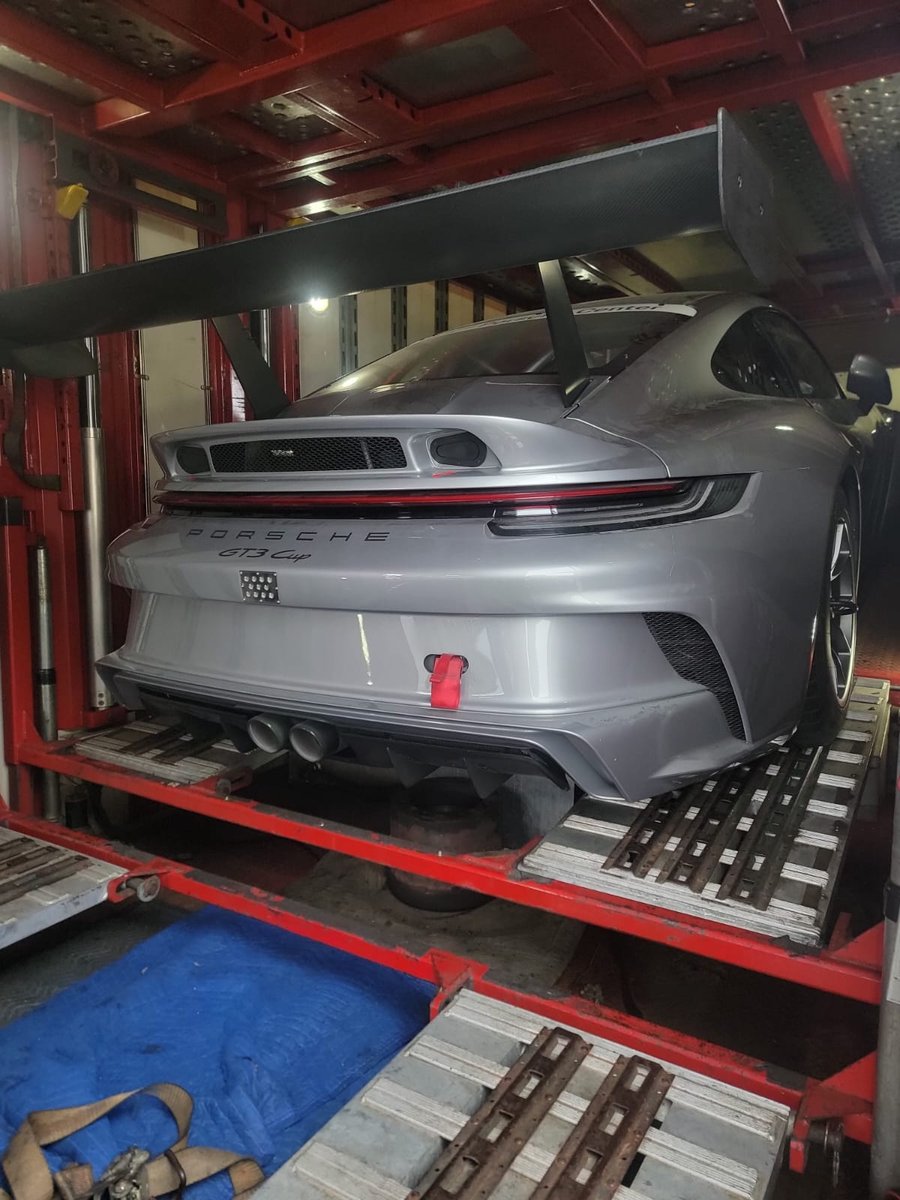
Container consolidation cuts shipping costs by sharing container space with other vehicles: a dedicated 20ft or 40ft container is available when you want the car to travel alone. Door-to-door service adds US pickup and final delivery in Germany.
We accept wire transfers, checks, and bank deposits. We do not accept credit card payments. Read about banking fees when paying from overseas.
Calculate your shipping cost ↑| Route | Method | From | Transit |
|---|---|---|---|
| New Jersey warehouse → Bremerhaven | Shared container | $1,100 | 28–40 days |
| Florida warehouse → Bremerhaven | Shared container | $1,225 | 31–34 days |
| California warehouse → Hamburg | Shared container | $1,850 | 40–45 days |
| Texas warehouse → Bremerhaven | Shared container | $1,250 | 24–34 days |
Port-to-port ocean freight; door pickup anywhere in the US available. German destination fees from 600 EUR; duty and VAT depend on the car's origin and value. Get your exact rate in the calculator ↑
Shipping three or more cars a month? See our wholesale container rates for dealers and importers.
How long does car shipping to Germany take?
Every ocean shipment follows the same three phases: US clearance and loading, the Atlantic crossing, then customs and delivery in Germany. The departure coast decides the total. Bars share one 90-day scale.
East Coast: New Jersey or Florida warehouse → Bremerhaven
28–40 days total- US clearance & loading14 days
- Consolidation, if shared+3–5 days
- Sailing to Bremerhaven14–21 days
The fastest ocean route: weekly departures, 14–21 days on the water.
West Coast: California warehouse → Bremerhaven
49–89 days total- US clearance & loading14 days
- Consolidation, if shared+3–5 days
- Sailing to Bremerhaven35–70 days
Longer crossing via the Panama Canal. In a hurry? We can truck the car to New Jersey and cut weeks off the water time.
Air freight: any US airport → Frankfurt
3–10 days door to door- Door to door by air3–10 days
For cars that can't wait. Documentation drives the timeline, so early paperwork matters more than the flight.
German import customs adds a few days after arrival before the car is released for delivery. Shipping from our New Jersey warehouse puts a car in Bremerhaven the fastest.
How our Germany car shipping process works
Car transport
We collect your car anywhere in the US, open or enclosed, and bring it to our nearest warehouse in California, Florida, or New Jersey. Drop-off is always an option.
Container loading
Our own employees load and secure your car at our own warehouse. No third-party yards, no outside labor touching the vehicle.
Export clearance
Our team files US export documentation and the origin paperwork that qualifies US-built cars for 0% EU duty.
Delivery in Germany
Our agents in Germany handle import customs at Bremerhaven and deliver the car to your door, or you collect it at the port.

Classic cars: the 30-year rule and 7% VAT
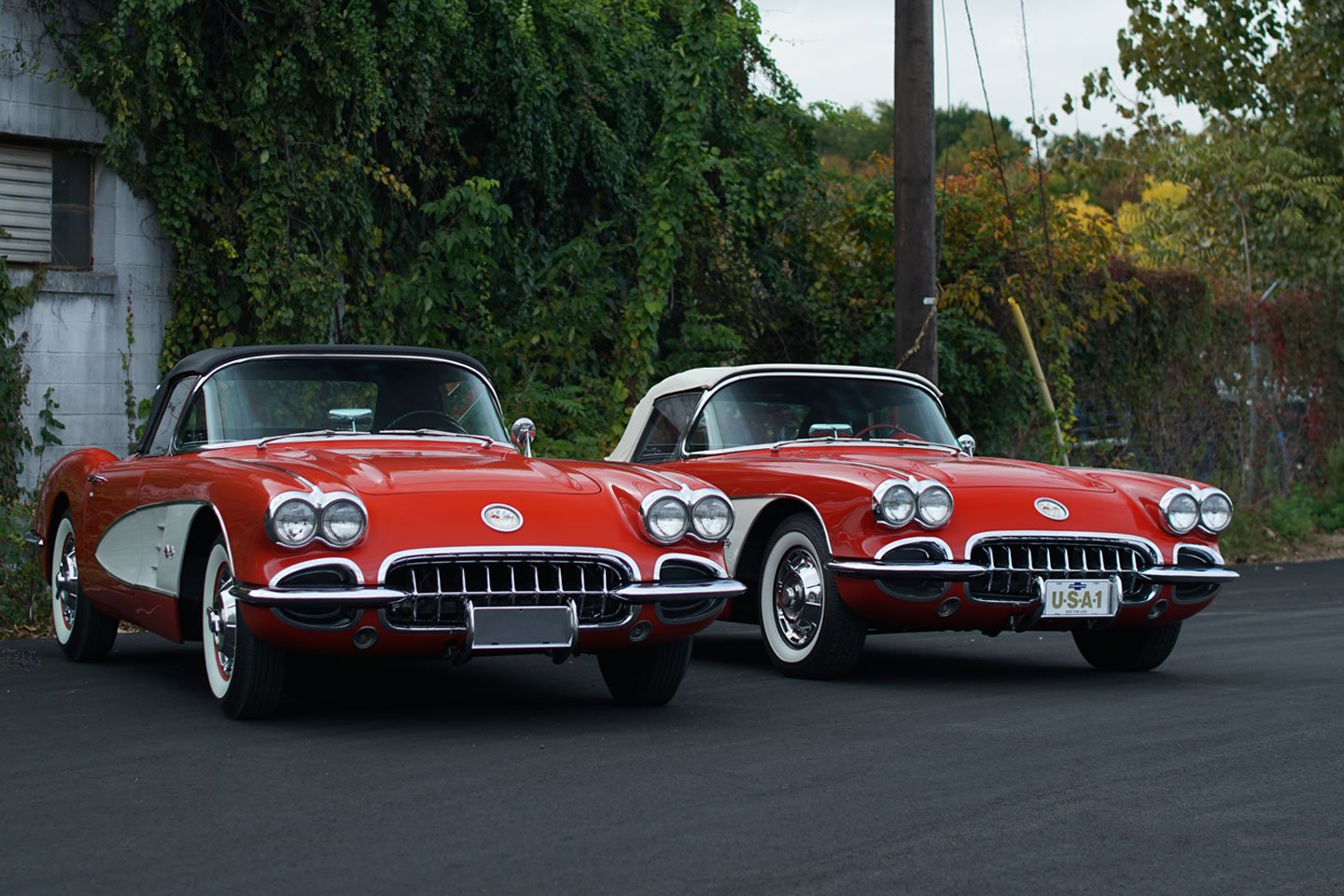
Germany treats genuine classics kindly. A car at least 30 years old, in original condition, and no longer in production qualifies as a collectors' piece under tariff heading 9705: 0% duty and import VAT reduced from 19% to 7%. In 2026, the 30-year line sits at 1996.
Once registered, cars over 30 can apply for the H-Kennzeichen historic plate: a flat annual road tax and access to city emissions zones that newer cars can't enter.
One caution: original condition does real work in that definition. A heavily modified car or a restomod can fail the 9705 test and lose the reduced VAT, even when it's well past 30. If your car is US-built, the 0% duty holds either way.
Documents you need to ship a car to Germany
For US export
- Original vehicle title, or lien release letter
- Bill of sale
- Completed online shipping form
- EIN letter for US citizens, passport copy for international citizens
For German registration
- Customs clearance certificate from import
- TÜV inspection certificate
- German vehicle insurance certificate
- Proof of ownership: title and purchase documents
Our export team handles the US paperwork and coordinates with German customs, including the US-origin documentation for the 0% duty rate.
Wholesale car shipping to Germany for dealers and importers
Dealers, auctions, and wholesale importers moving multiple cars a month get dedicated container programs from our California, Florida, and New Jersey warehouses: vehicle collection, export clearance, consolidation of cars and parts, your carrier bookings or ours, and the option to use your own import agent on dedicated containers.
Protect your car in transit
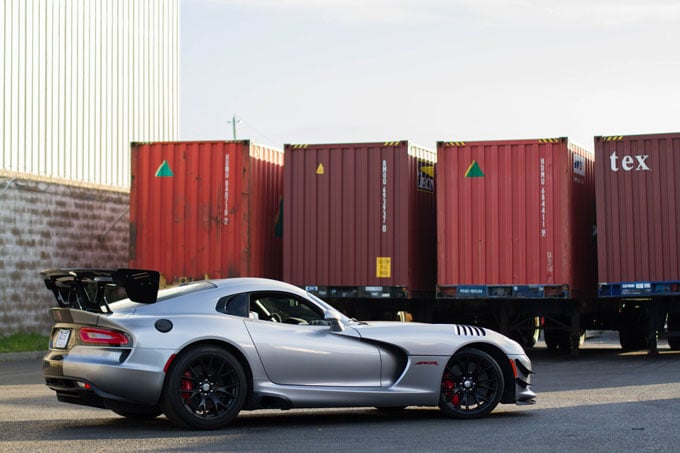
Most US auto insurance policies do not cover international transport. Our optional Cargo Damage Protection covers your car from arrival at our US warehouse through loading, ocean transit, and delivery in Germany. Without it, carrier liability is capped at $500 under the Carriage of Goods by Sea Act.
Frequently asked questions about car shipping to Germany
How much does it cost to ship a car to Germany?
Consolidated container shipping averages $1,100–$1,850 port-to-port from our California, Florida, and New Jersey warehouses, plus German destination fees from 600 EUR. Use our calculator for an instant rate on your exact vehicle and route.
Do I pay import duty on an American car in Germany?
No. Since July 1, 2026, US-built cars clear EU customs at 0% duty under the Turnberry regulation, in effect through December 31, 2029. Cars built outside the US still pay 10%. Origin follows the factory, not the badge: a Detroit-built Viper qualifies, a Brampton-built Challenger does not. Check where your car was built or read our full Turnberry breakdown.
How much VAT do I pay when importing a car to Germany?
19% import VAT on the combined value of the car, shipping, and any duty. Collector cars over 30 years old in original condition pay 7% instead.
How long does shipping a car from the USA to Germany take?
28–40 days from the East Coast and 49–89 days from the West Coast, pickup to delivery. That covers about 14 days for US clearance and loading, 3–5 extra days if sharing a consolidated container, and 14–21 days sailing from the East Coast (35–70 from California). Air freight takes 3–10 days door to door.
Which US ports do you ship to Germany from?
We load Germany-bound containers at our own warehouses in California, Florida, and New Jersey, sailing to Bremerhaven. East Coast departures take 28–40 days pickup to delivery; California adds sailing time at a lower trucking cost for West Coast cars. Air freight departs from any major US airport to Frankfurt in 3–10 days. Germany is one of 100+ destinations on our international car shipping routes.
Can I ship a classic car to Germany?
Yes. Cars over 30 years old in original condition clear at 0% duty with VAT reduced to 7%, and qualify for H-Kennzeichen historic registration in Germany. In 2026 that covers vehicles built in 1996 or earlier. Read the 30-year rule guide.
Can I import my car to Germany duty-free when relocating?
Yes. If you are transferring your primary residence to Germany and have owned and used the vehicle for at least 6 months, it can enter duty- and VAT-free, provided you do not sell or transfer it within 12 months of import.
How do I register an imported car in Germany?
Pass the TUV inspection, arrange German vehicle insurance, then register at the local Kfz-Zulassungsstelle with the customs clearance certificate, original title, and purchase documents. Cars over 30 years old can apply for H-Kennzeichen historic plates.
Ready to begin your German car import journey?
Contact West Coast Shipping's German import specialists today for a personalized consultation and discover how simple bringing your dream car home can be. The 0% duty window is open through 2029.
Get instant rates →It's your dream car. Let's bring her home.
From Our Blog
Stay up to date with what is new in our industry, learn more about the upcoming products and events.

US Car Export Customs: Verifying Vehicle Values Before Shipping | 2026 Guide

What Duties Do I Pay Today on Classic Car Imports?